
About our farm
Kind Folk Farm is a small, women-run microfarm growing vegetables, herbs, and the occasional mushroom on just half an acre in San Diego County. We grow food at a human scale — with our hands in the soil, our neighbors in mind, and a deep belief that local food should feel personal.
Our farm is rooted in kindness: kindness to the land, kindness to our bodies, and kindness to the communities we feed. Everything we grow is harvested the same day it’s delivered, so what shows up at your door is fresh, nutrient-dense, and grown with intention — no aggregation, no shortcuts, no mystery.
We believe food tastes better when you know where it comes from and who grew it. With Kind Folk Farm, your farmer is quite literally in your phone.
-
We farm with a soil-first mindset. That means prioritizing long-term soil health over short-term yield, using no-till and no-spray practices, conserving water through drip irrigation, and growing a diverse mix of crops that support pollinators and soil ecology.
We don’t rely on expensive certifications or flashy labels. Instead, we focus on doing the work — growing organically in practice, being transparent about how we farm, and keeping our operation small enough to stay accountable to our values.
-
CSA stands for Community Supported Agriculture, but to us, it’s really about shared stewardship.
When you join our CSA, you’re not just buying vegetables — you’re helping sustain a small farm, supporting queer women farmers, and participating in a food system that values connection over convenience.
Our members share in the rhythms of the farm: the abundance, the surprises, and sometimes the challenges. In return, they receive restaurant-quality produce harvested just miles from their kitchens, along with transparency, communication, and an open invitation to visit the farm.
-
Same-day harvests, every delivery
Single-farm, restaurant-quality produce
Real access to your farmer
Thoughtful, low-waste packaging
A farm that grows food — and community — with care
Kind Folk Farm exists to make local food feel human again. We’re grateful to grow for our neighbors, our families, and our fellow San Diegans — and we’re glad you’re here.
Meet your farmers
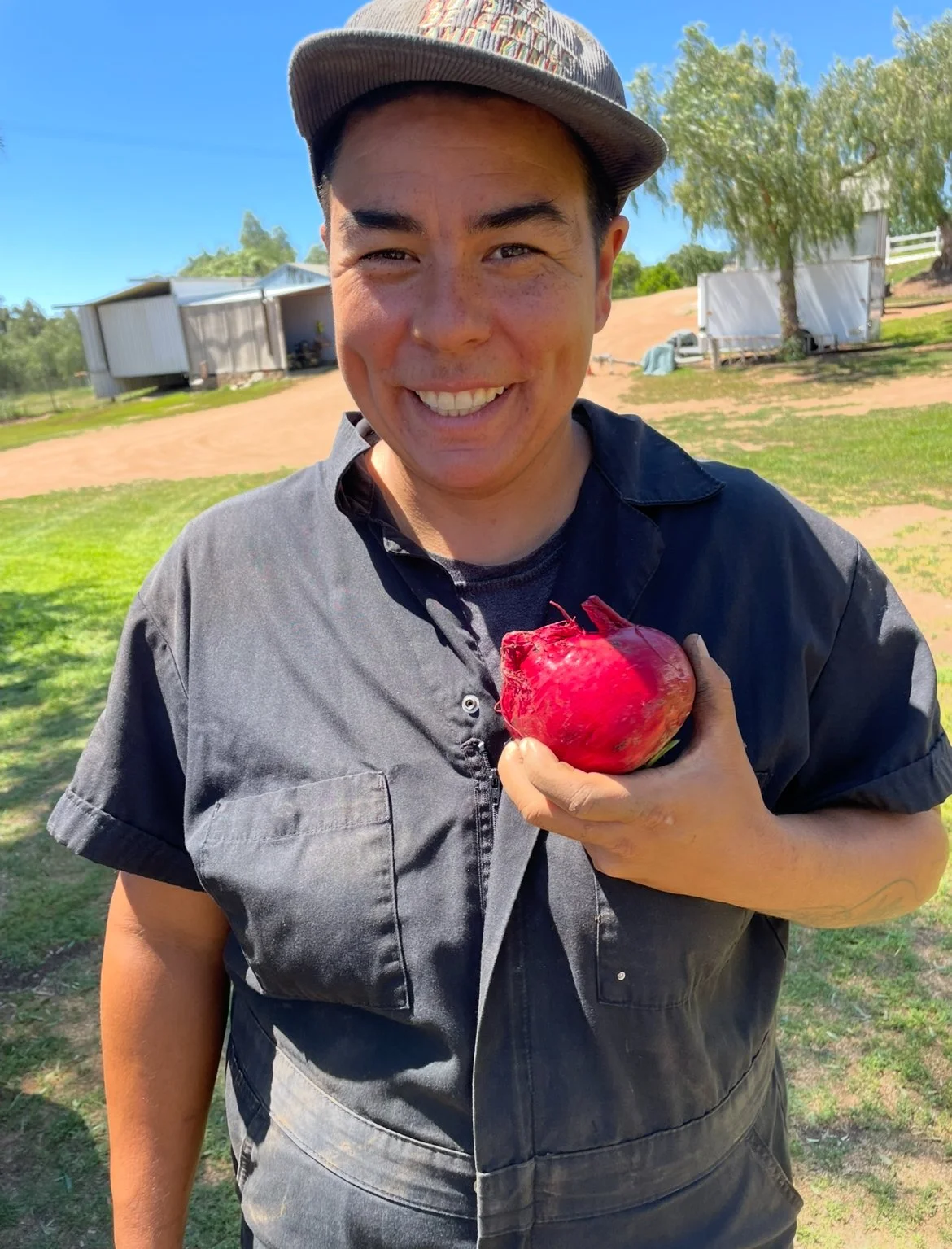
Hello!Kind Folk Farm is operated by Ayzsha Smith, a farmer born and raised in San Diego.
Ayzsha began studying regenerative land practices at MiraCosta College’s Horticulture Program before earning a degree in Sustainable Food Systems from the Stockbridge School of Agriculture at UMass Amherst. She has farmed on a variety of scales across the United States, but San Diego has always been home — and small, urban plots are where her heart is.
Ayzsha is deeply committed to ecological farming, with soil health at the center of everything she does. She believes good farming isn’t about performance or social media polish — it’s about consistency, care, and showing up for the land day after day. Kind Folk Farm is the realization of that belief: a farm built slowly, intentionally, and in relationship with the community it serves.

Jac Smith runs the wash + pack station, prepping harvest before it goes to customers. Her job is to make sure Ayzsha keeps her hands in the soil as much as possible by doing everything else. She’s also raising Wilder Blue, their daughter, so the farm will have a future weed picker.
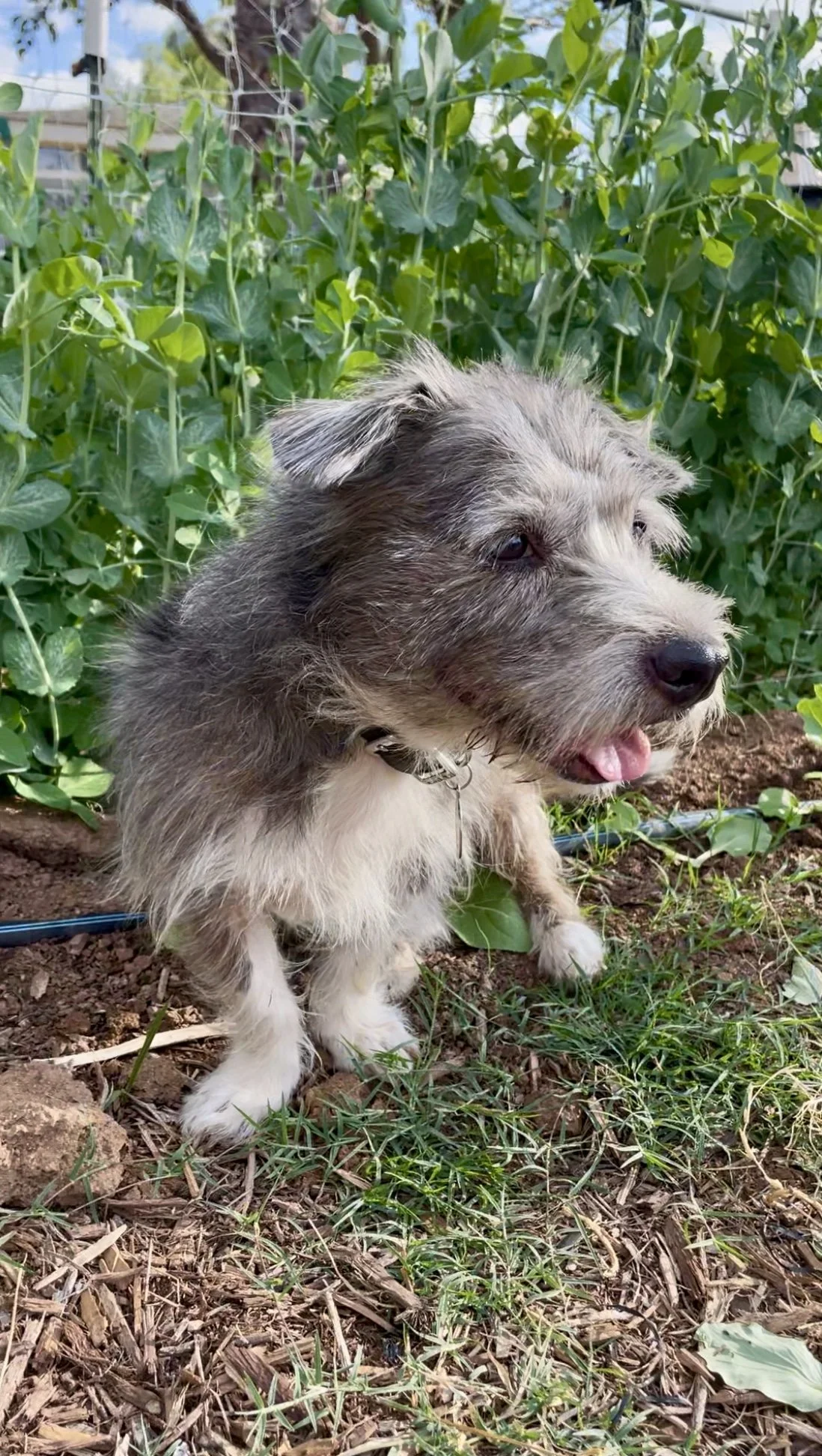
Crosby, our farm dog, has been with us from the beginning. These days he loafs around, eats whatever cherry tomatoes fall from the vine, and visits the baby. He once caught a gopher.
Our values
-
Most produce travels an average of 1,500 miles before reaching our plate. By supporting local farmers, we’re reducing our carbon footprint and investing our food dollars into local economies. Local produce is more nutrient-dense. Naturally occurring vitamins and antioxidants begin to degrade upon harvest. By expediting the path between field and mouth, we are able to prevent nutrient leaching.
-
Sustainable agriculture is the balancing act of producing to meet consumer needs while protecting non-renewable, natural resources imperative to farming. Conventional farming, with its heavy reliance on earth-bound resources, terrifying production of greenhouse gases, and disregard for the health and wellness of consumers, will not suffice.
Our sustainable methods include:
No-till practices which nourish and restore our soil
No-spray management which means not having to worry about what chemicals are on our food.
No bullshit labels which means we don’t buy-in to cost-prohibitive certifications (like organic) and then pass that cost on to you. We’re organic in practice, not price-tag.
Drip irrigation which conserves limited water resources.
Abstaining from pesticides which eliminates water table pollution.
Diversification of crops which supports pollinator populations
Human scale farming which reduces reliance on fossil fuels
Cover cropping which allows beds to rest and soil to rejuvenate
-
Only 17% of farms are owned and operated by female identified growers. These farms tend to be smaller than their male counterparts with crops that earn less at market. They receive fewer grants and are not proportionately represented with Ag legislation. As small, urban farmers gain momentum, the long-held portrait of a farmer is changing. This shift allows for new thinking, innovative techniques, and an approach to land stewardship that is, perhaps, more kind. As a Brown, queer, female farmer, I am eager to grow this industry in ways which reflect that ethos.